


Reflections on Co-Governance, Trust, and Community Transformation
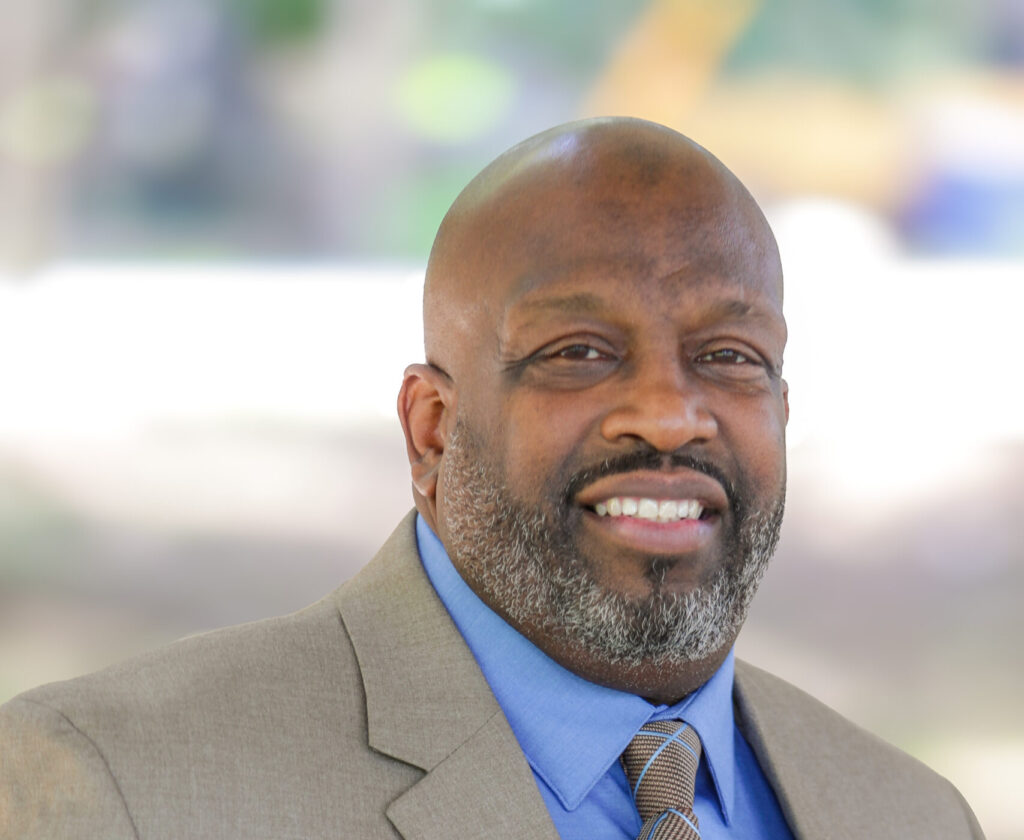
By Marvin Nesbitt,
President of Focused Community Strategies

A few weeks ago, I had the opportunity to attend Purpose Built Communities’ Prosperity is Place™ conference in Jacksonville, Florida, alongside several members of the FCS team. As part of the Purpose Built Network, gatherings like this create space for shared learning among organizations committed to long-term community transformation.
Throughout the week, I shared stories from our communities in Atlanta while also learning from practitioners across the country who are navigating many of the same challenges around trust, disinvestment, and neighborhood transformation.
Rebuilding Trust
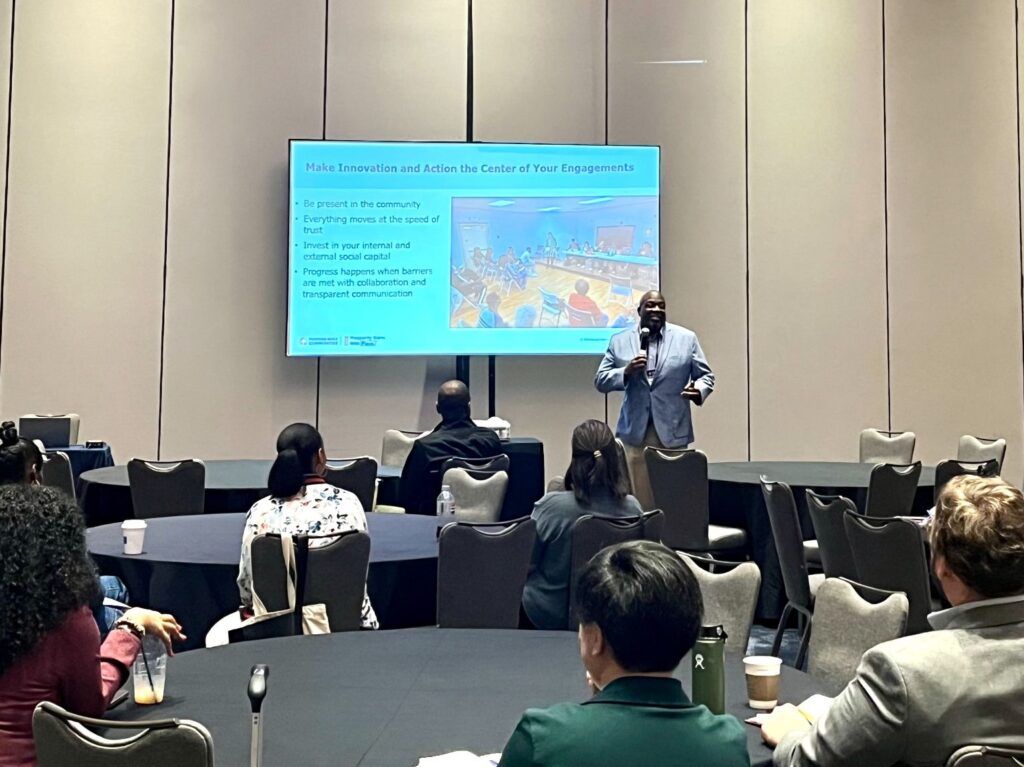
One of the most meaningful moments during the conference was participating in a panel discussion on co-governance alongside Candace Moore of Race Forward and Reginald White of the City of Atlanta. Our conversation centered on the evolving relationship between community quarterback organizations, local government, and neighborhood residents.
The room was full of practitioners wrestling with the same challenge: how do we work closely with municipal systems while maintaining trust with the people who have experienced decades of disinvestment and broken promises?
That tension is real. In many neighborhoods across the country, there are “at least three plans for that neighborhood sitting on a shelf somewhere” that were never fully realized. Political transitions happen. Funding priorities shift. Leadership changes. And over time, communities learn not to trust promises made from outside the neighborhood. As I shared during the panel, “What does that do? It kills trust.”
Trust Requires More than Engagement
In Atlanta, we are navigating this challenge in real time through the Mayor’s Neighborhood Reinvestment Initiative (NRI), where FCS serves as the community quarterback organization for Thomasville Heights. We help bridge relationships between residents, city departments, and institutional partners. At its core, co-governance moves beyond traditional community engagement and toward shared decision-making, in which residents help shape outcomes as co-designers and leaders.
That kind of trust is not built overnight. It is built through consistency, transparency, and presence.
My fellow panelist, Reggie White, shared a phrase that stayed with me: “Everything moves at the speed of trust.” That is especially true in communities where residents have experienced decades of disinvestment and broken promises. Building trust means slowing down enough to listen, explain, and remain accountable throughout the process.
Shared Power in Practice
One example we discussed involved the redevelopment of a former public housing site in Thomasville Heights. Historically, redevelopment conversations had created deep skepticism among residents, many of whom associated “affordable housing” with displacement and broken commitments. Rather than simply presenting plans to the community, we worked alongside residents to help them understand and participate in the process.
One resident leader from the Thomasville Heights Civic League joined the developer evaluation process directly. We created a crash course to help her learn how to score development proposals, review affordability metrics, and participate meaningfully in decision-making conversations. By the end of the process, she had evaluated all thirteen proposals herself.
What began as skepticism transformed into ownership and understanding—not because decisions were made for residents, but because residents were equipped to help shape the process themselves.
The Table Looks Different
During our panel discussion, Candace Moore introduced the metaphor of “the table” as a decision-making space. But as the conversation unfolded, another important idea emerged: the table looks different.
Co-governance does not only happen in formal meetings or public hearings. Sometimes the “table” is a planning session at City Hall. Other times, it is a neighborhood cleanup, a backyard gathering, or a Christmas dinner with residents.
I shared a story about receiving a call on Christmas Day from a neighborhood leader inviting me to dinner. My first instinct was to stay home and watch basketball. Instead, I got dressed and showed up because I knew the table was going to form there. The same thing happens during long walks through the neighborhood and informal conversations that build relational trust over time.
At one point during the panel, I said:
“I put it on my back that wherever we show up, that’s where the table is.”
Because ultimately, the work of co-governance is not confined to conference rooms or formal processes. It happens wherever trust is being built and relationships are being strengthened. Those moments may seem small, but they are often where the deepest collaboration begins.
The Importance of Showing Up
There is something deeply meaningful to residents when leadership consistently shows up. During the panel, I reflected on how much it matters when people know the president of an organization is willing to be present—not just at major events or public meetings, but in everyday community life. There is nothing more powerful than showing residents that you genuinely care enough to show up, listen, and remain present over time.
At FCS, we often say our spaces belong to the neighbors. Residents have keys to our buildings. Neighborhood leaders use our meeting spaces. But ultimately, our goal is not simply to create access. It is to cultivate shared ownership and leadership. Co-governance requires us to see residents not as recipients of transformation, but as partners and co-leaders in shaping the future of their communities.
Transformation Moves at the Speed of Trust
At FCS, we continue learning what it means to practice this kind of shared leadership alongside residents, institutional partners, and communities working toward long-term flourishing.
Ultimately, co-governance is about sharing power and recognizing residents as co-leaders in the work of transformation. Sustainable transformation does not move at the speed of development timelines or funding cycles. It moves at the speed of trust.


