
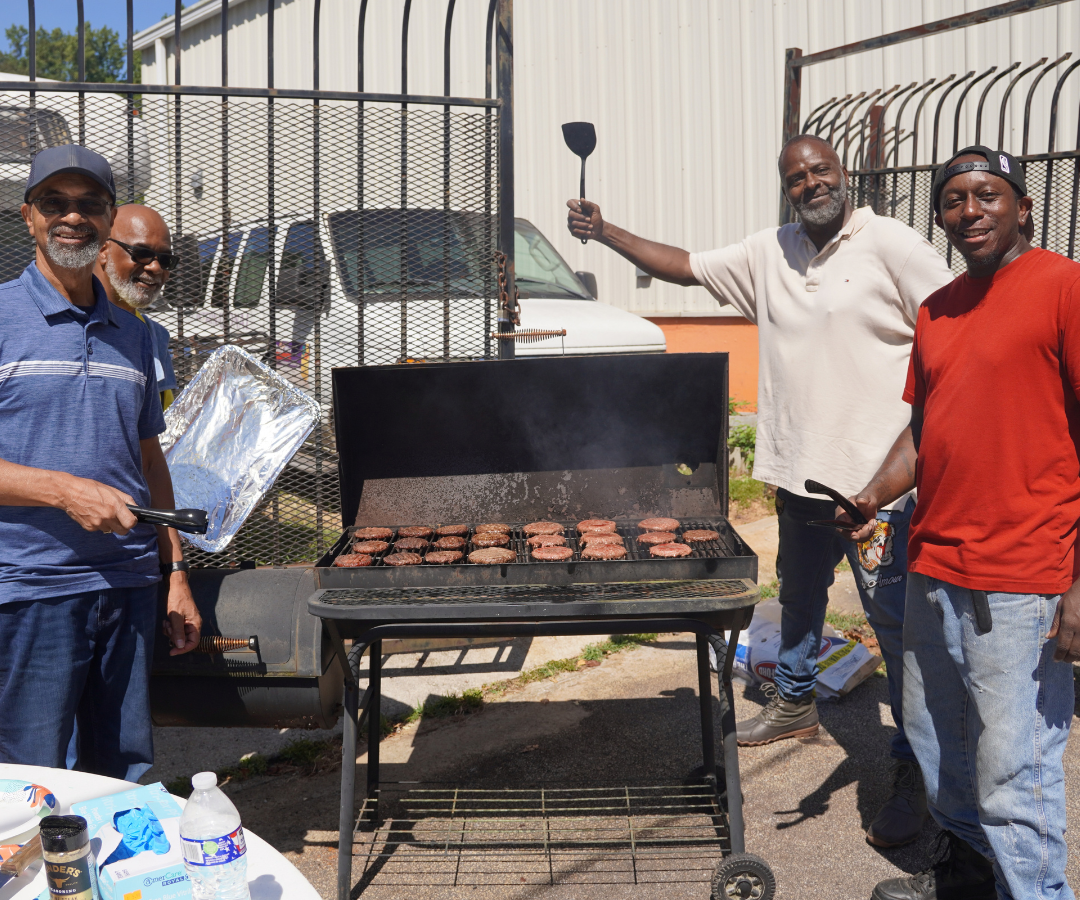

Sometimes, coming home is not simply about returning to a place. It is about remembering who you are, who came before you, and the people who helped make you who you are.
That is what makes church homecomings and anniversaries so meaningful in Black communities. They are more than annual celebrations, special worship services, or opportunities to gather around a fellowship meal. They are moments of memory, belonging, gratitude, and legacy—occasions when generations come together to celebrate not only a church, but the story of a people and a community.

The Black Church as a Community Anchor
From the earliest days of Black religious life in Atlanta, the church has served purposes far beyond Sunday worship. Black congregations became places where people could worship freely, educate their children, build relationships, organize for change, support families, and cultivate leadership.
Atlanta’s Black church tradition has deep roots. Friendship Baptist Church traces its founding to 1862, when 25 enslaved African Americans established an independent congregation. Other historic Black congregations followed during the years after emancipation, becoming important institutions in Atlanta’s emerging Black communities.
This history is especially significant in Southeast Atlanta.
Historic South Atlanta, originally known as Brownsville, developed in the late nineteenth century as a center of Black education, culture, leadership, and community life. Clark University established its campus there in 1883, and the presence of the university attracted educators, religious leaders, students, professionals, and families. By the early 1900s, Brownsville was recognized as a thriving Black community with homes, businesses, schools, and churches.
A 1907 account of Brownsville observed that the community had “three churches and no saloon”, while highlighting the homeownership and community investment of its Black residents.
The church was therefore not separate from community life—it was woven into it.
Across Atlanta’s Southside, churches and schools provided spaces for spiritual development, education, social connection, and community organizing. Historical accounts describe churches as important neighborhood anchors, creating spaces and resources for education, spiritual uplifting, recreation, and collective action.
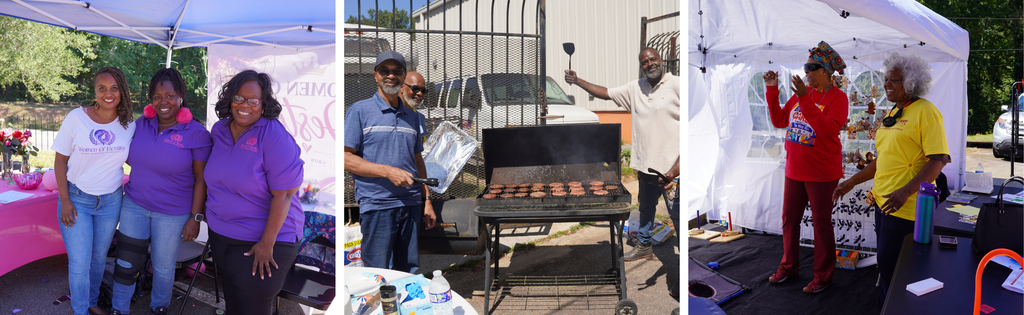
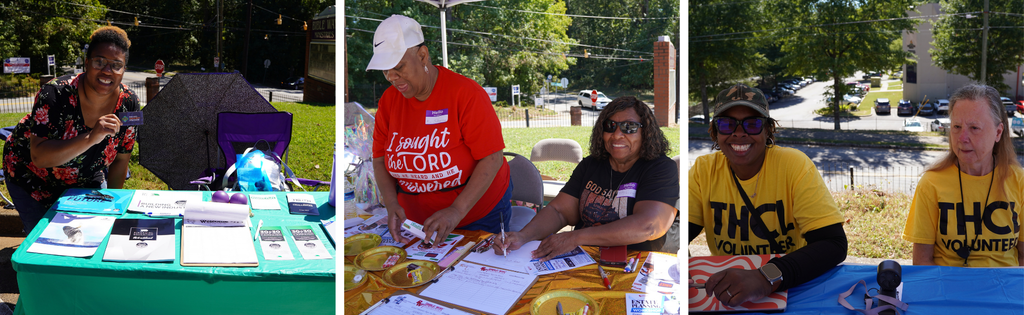
Homecoming Is a Celebration of Memory
This history gives church homecomings a special significance.
When former members return for an anniversary or homecoming, they are often returning to more than a sanctuary. They are returning to childhood memories, family traditions, familiar hymns, old friendships, and stories about people who shaped their lives.
Someone may remember the deacon who picked them up for Sunday School, the mother of the church who always had a meal ready, the choir director who encouraged their gift, or the pastor who helped their family through a difficult season.
These memories are a form of community history.
And in Black communities, where so much history has been preserved through oral tradition, storytelling, photographs, church programs, family reunions, and personal testimony, remembering becomes an act of preservation.
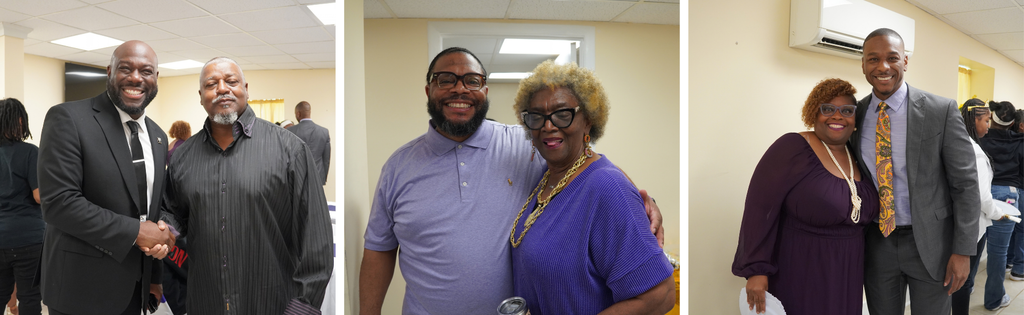
Honoring the People Who Built the Church
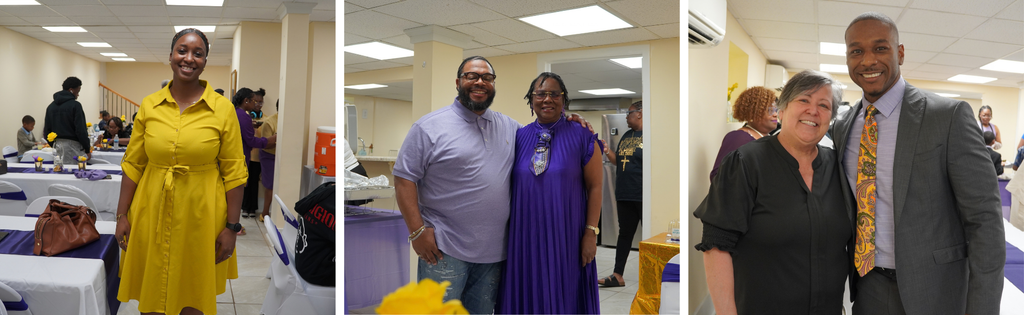
Church anniversaries also give congregations an opportunity to recognize the people whose faithfulness made the church possible. Some names may appear on plaques and anniversary programs. Others may be known only by the people who remember them.
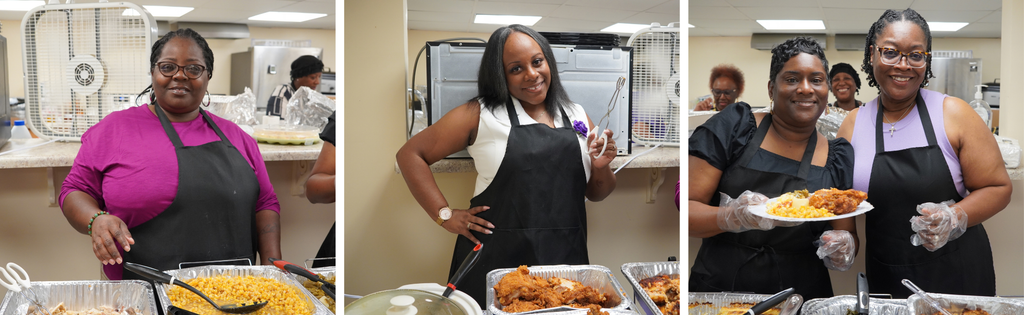
They were the people who cooked the dinners, cleaned the sanctuary, taught Vacation Bible School, drove the church van, sang in the choir, served as ushers, counted the offering, cared for children, visited the sick, welcomed strangers, and quietly gave when there was little to give.
Their contributions remind us that institutions are built not only by prominent leaders but by generations of ordinary people who choose to remain faithful.
A Bridge Between Generations
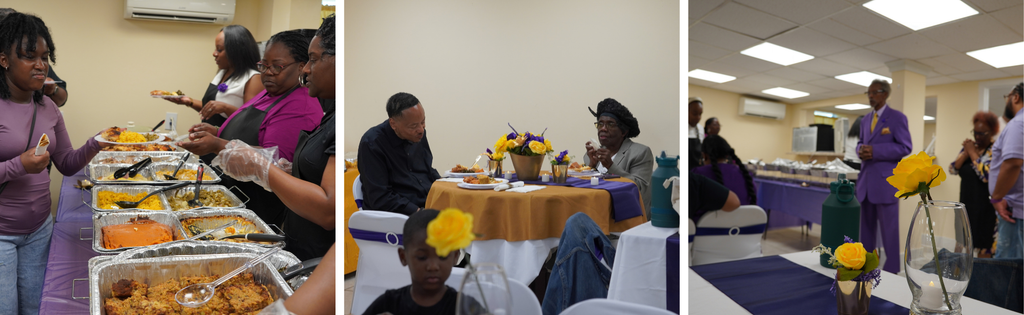
Homecoming can also create something increasingly important: an intentional connection between generations.
Older members carry memories of what the neighborhood and congregation once were. Younger members carry questions, creativity, and hopes for what they might become. Bringing those generations together creates an opportunity for stories and wisdom to move forward rather than disappear.
A young person hearing an elder describe the neighborhood 50 or 60 years ago is receiving something that cannot be found in a textbook.
They are receiving living history.
From Remembering the Past to Imagining the Future
The most meaningful anniversaries do not stop with, “Look what we have accomplished.”
They also ask:
What have we inherited?
What are we responsible for preserving?
What needs to change?
And what will we leave for the generation coming behind us?
That question is particularly important in Southeast Atlanta, where many historic neighborhoods and institutions have experienced significant social, economic, and physical change.
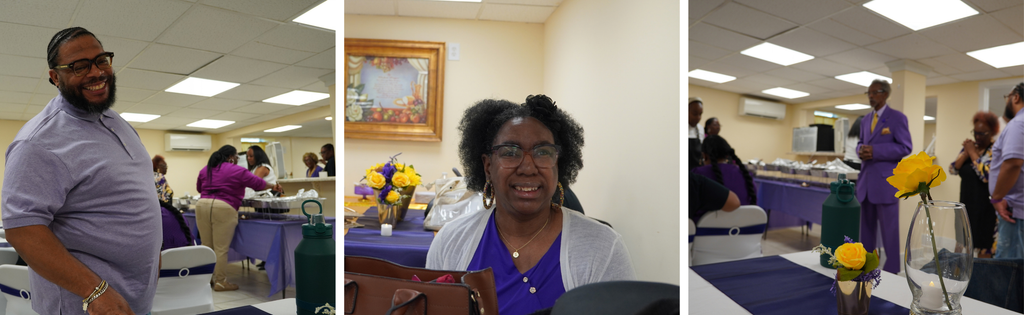
A church anniversary can therefore become more than a celebration of institutional longevity. It can become an opportunity for a congregation to reconnect with its neighborhood, listen to its neighbors, rediscover its history, and consider how its presence can contribute to the community’s future.
Coming Home to Who We Are
Perhaps this is why church homecomings continue to matter.
They remind us that we did not get here by ourselves.
We stand on the prayers, sacrifices, courage, creativity, and faithfulness of generations who came before us. We inherit their stories, their institutions, their songs, their wisdom, and their unfinished work.
So when families gather for a church anniversary, when former members travel home, when old photographs are displayed, when elders tell stories, and when another generation takes its place in the pews, something profound is happening.
We are remembering.
We are reconnecting.
We are giving thanks.
And we are deciding what legacy will continue.
In Black communities, a church homecoming is therefore not simply a return to a building.
It is a return to a people, a history, a faith, and a sense of belonging.
And sometimes, coming home is exactly what we need to remember where we are going.

Article written by Stacy Brungardt | FCS Manager of Faith-Based Integration


