

My Reflections on Southeast Atlanta by the Numbers
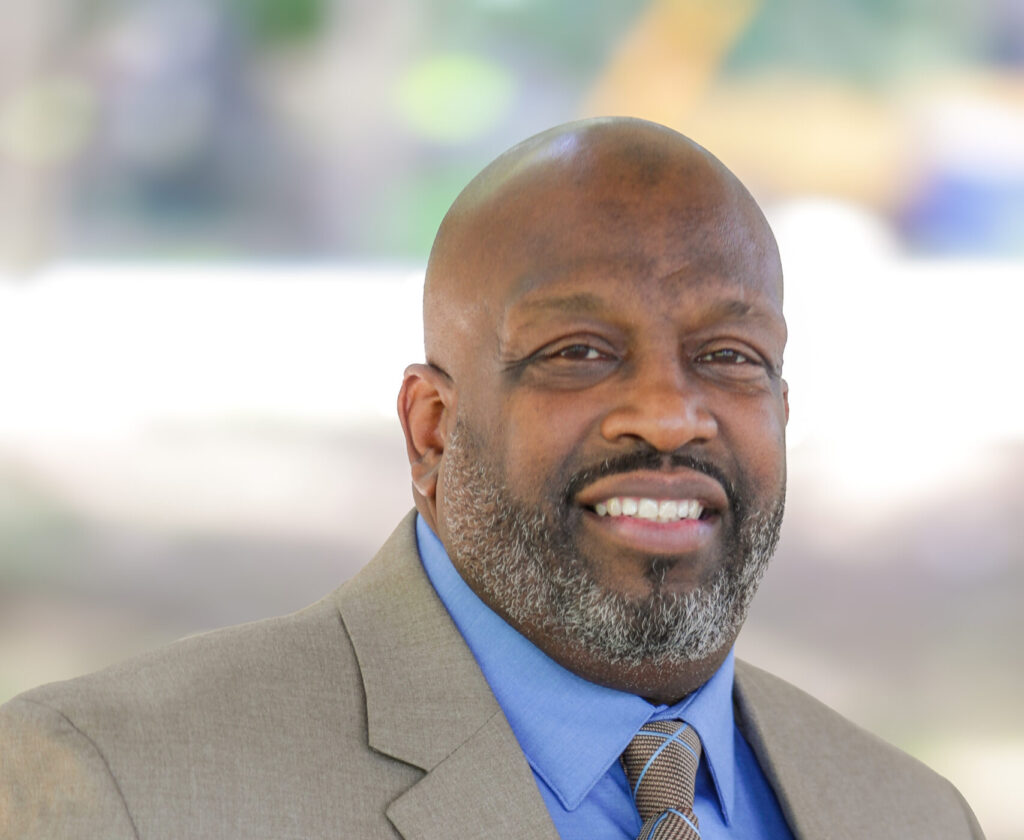
By Marvin Nesbitt,
President of Focused Community Strategies
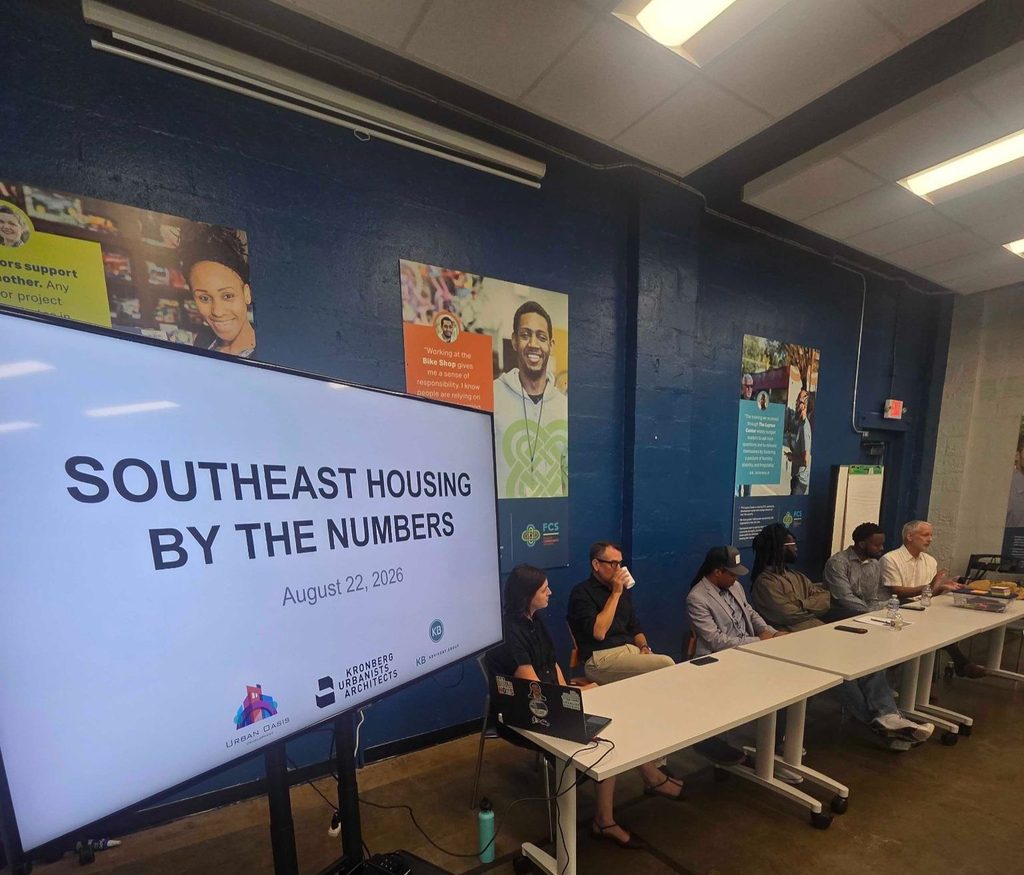
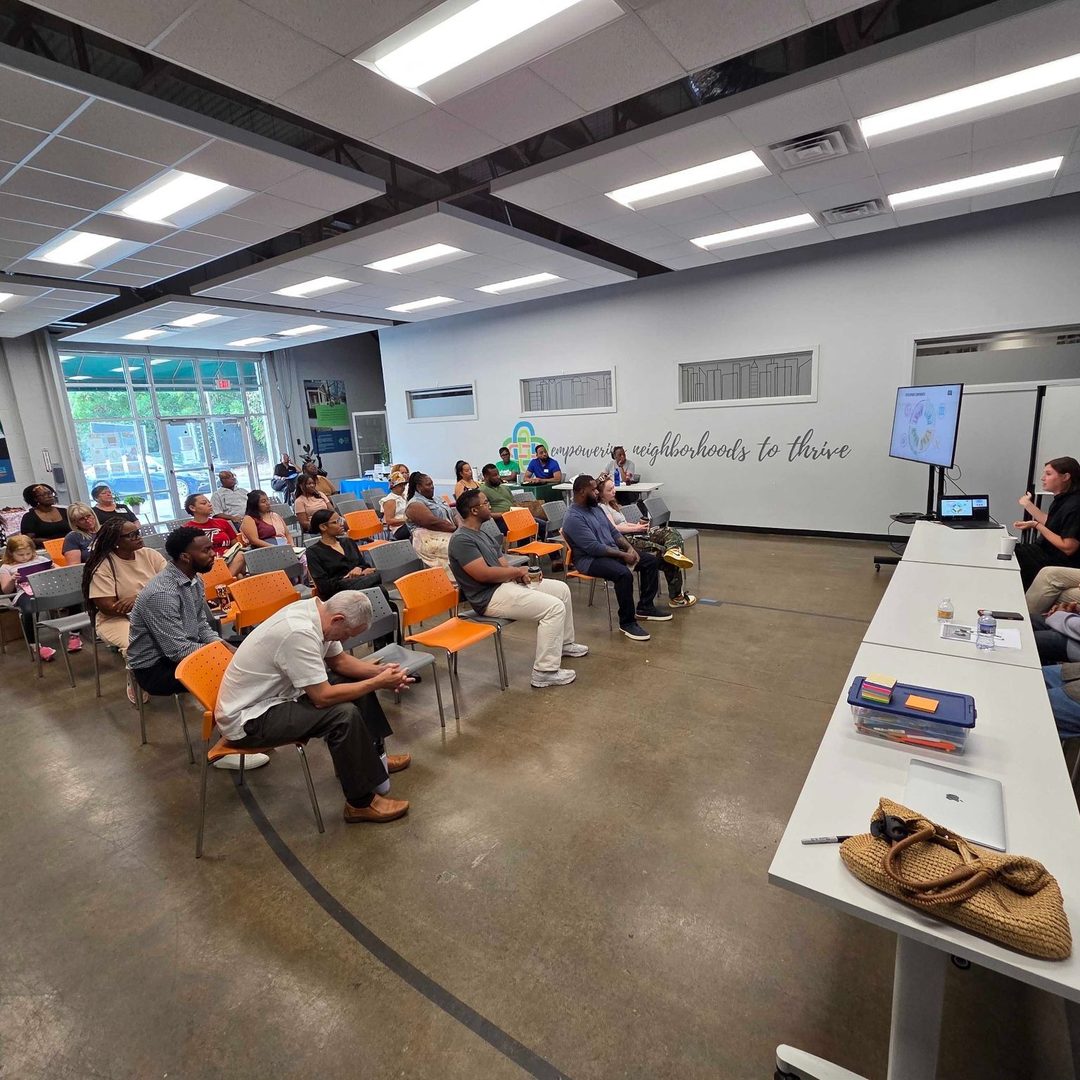
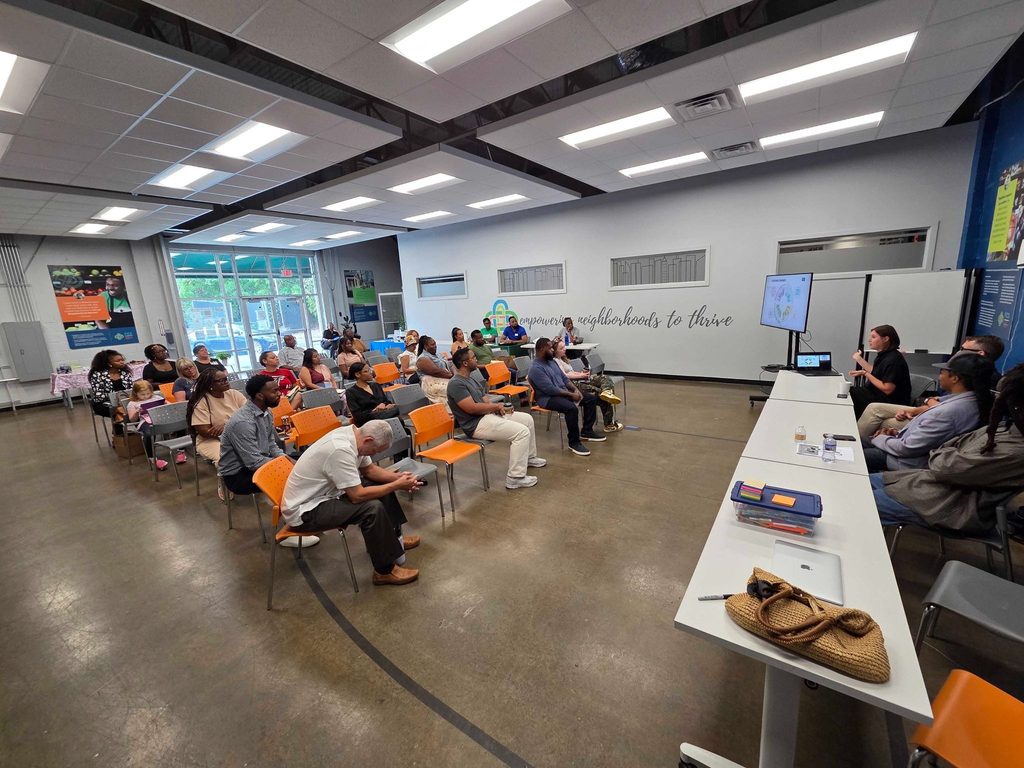
On Saturday, August 22, about 45–50 neighbors, community leaders, lenders, and partners came together for Southeast Atlanta by the Numbers.
Historic South Atlanta and Thomasville Heights are experiencing rapid growth. During periods like these, legacy residents, renters, and prospective homebuyers need access not only to resources, but also to information. That’s why workshops like this matter.
One of my biggest takeaways from the day was simple: When neighbors understand the forces shaping their community, they are better equipped to have a voice in neighborhood priorities and neighborhood change.
Understanding the Language Behind Neighborhood Change
If you’ve ever heard terms like Area Median Income (AMI), inclusive housing, zoning, or land use and wondered exactly what they mean, you’re not alone.
These terms are used constantly by those involved in real estate and development. But too often, the language can feel inaccessible to the people most directly affected by the decisions being made. In fact, residents felt like these terms were often gatekept by city planners and developers. Focused Community Strategies (FCS) wanted to equip residents by demystifying this language.
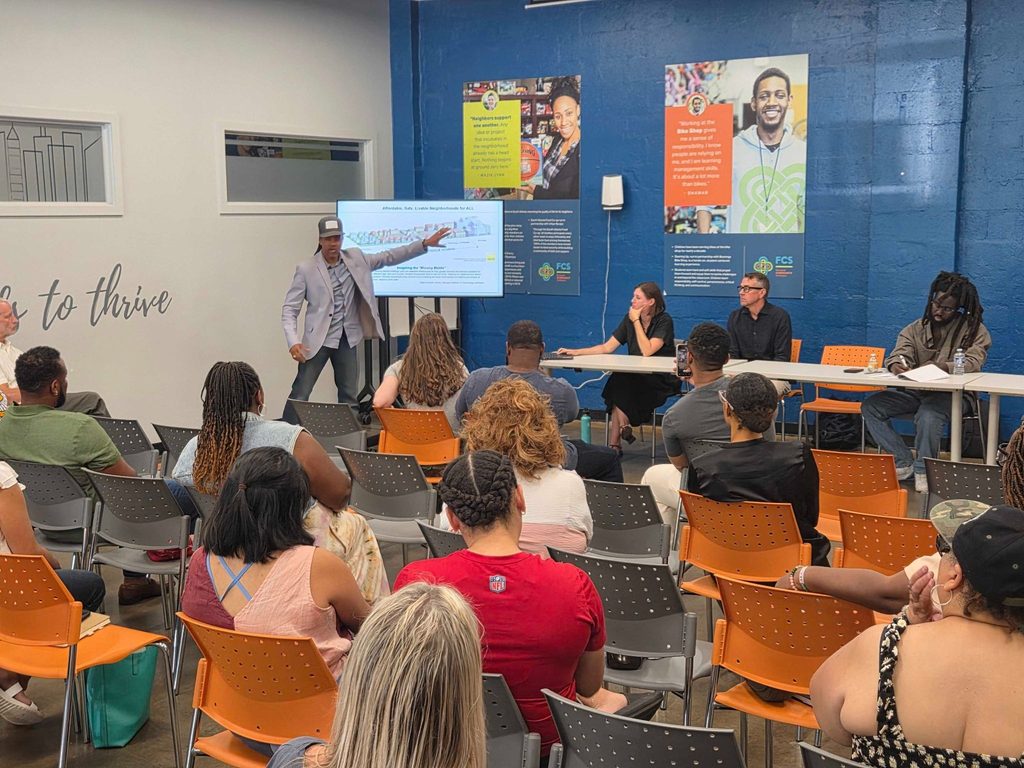
Throughout the workshop, attendees learned how land-use policies can influence the character of a neighborhood and how inclusive housing policies work. We talked about local AMI thresholds and, importantly, what those numbers actually mean when we’re talking about the price of rent or purchasing a home in Southeast Atlanta.
But understanding the terminology isn’t the end goal. We wanted to make sure attendees know how to use that information.
When neighbors understand the language being used in conversations about development, they can walk into NPU meetings, city hearings, and other civic spaces better prepared to ask questions, advocate for their needs, and make their perspectives heard.
Connecting the Numbers to Everyday Decisions
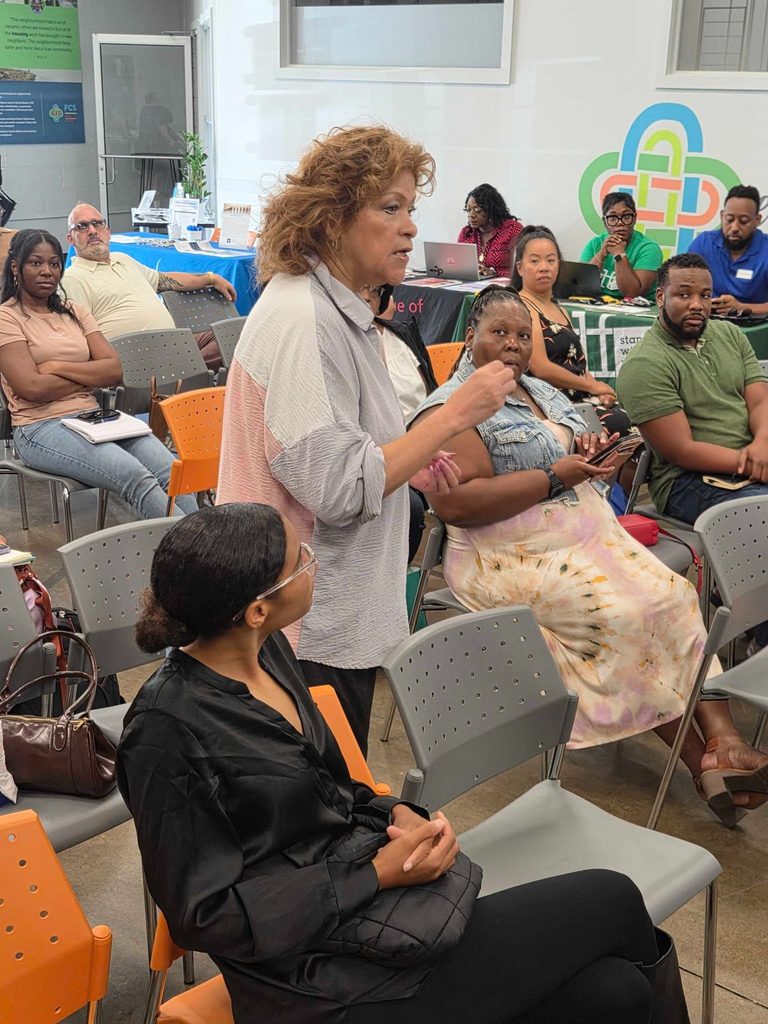
We also wanted to connect neighborhood-level data with the decisions people are making every day. For long-term residents, understanding the local housing stock, property values, economic growth, and changing tax environments can be an important part of protecting the assets they’ve worked hard to build. However, for prospective homeowners, the next step might look completely different.
That’s why we brought residents into direct conversation with housing counselors, banks, volunteer legal aid, and homeownership assistance programs like the Urban League of Greater Atlanta. Attendees could learn more about down payment assistance, pre-approval, and other resources that can make the path toward homeownership easier to navigate.
These conversations helped take big, complicated ideas and bring them down to the household level: What does this mean for me, my family, my home, and my future in this neighborhood?
Relationships Matter, Too
As important as the information was, I was equally encouraged by who was in the room.
We had residents alongside NPU members, Civic League leadership, grassroots neighbors, local lenders, and other community partners. Neighbors had opportunities to talk with one another about the growth they’re seeing and explore concrete ways to become more involved through NPU boards and neighborhood civic organizations. That’s significant.
No single resident or organization can shape the future of a neighborhood alone. But when neighbors have good information, strong relationships, and connections to local leadership, they can build a much stronger collective voice around the investments and decisions affecting their community.
At FCS, we believe agency for change belongs to the neighborhood. That means our role isn’t to decide what a neighborhood should become. It’s to work alongside neighbors as they help shape that future themselves.
Where We Go From Here
What encouraged me most about Southeast Atlanta by the Numbers was the level of participation. People showed up. They asked questions. They connected with resources. They talked with one another. And they demonstrated that residents and community leaders are ready to take an active seat at the table.
Now, we have to keep that momentum going. Neighborhood data can tell us what’s happening. It can show us where investment is increasing, how housing costs are changing, and where new development may be headed. But numbers alone don’t determine a neighborhood’s future.
People do.
That’s why I left Southeast Atlanta by the Numbers encouraged, not simply by what neighbors learned, but by what they’re ready to do with that knowledge. When residents have access to good information, strong relationships, and meaningful opportunities to participate, they are better positioned to help shape the future of the places they call home.
I’m grateful to Kindred Futures, Urban Oasis, and Partnership for Southern Equity for partnering with us to make this gathering possible. And I’m especially grateful to the neighbors who showed up, asked questions, shared their perspectives, and reminded us that the future of Historic South Atlanta and Thomasville Heights is something we shape together.


